
Remember how slowly the holidays seemed to approach when you were a kid? The last few days of school before winter break felt like they would never end. There was something exciting about knowing that your normal routine was about to change, and for a little while, life would be different.
Maybe you remember arriving at your grandparents’ house for a holiday gathering. The house was already decorated, dinner was cooking, and everyone seemed happy to be together. You probably never thought much about how any of it happened. You just knew it was special.
Fast forward a few decades, and things can feel very different.
Now you’re the one preparing for the family gathering, trying to figure out how you’re going to fit everything into an already busy schedule. The holidays seem to arrive faster every year, and before you’ve even recovered from one celebration, another is right around the corner.
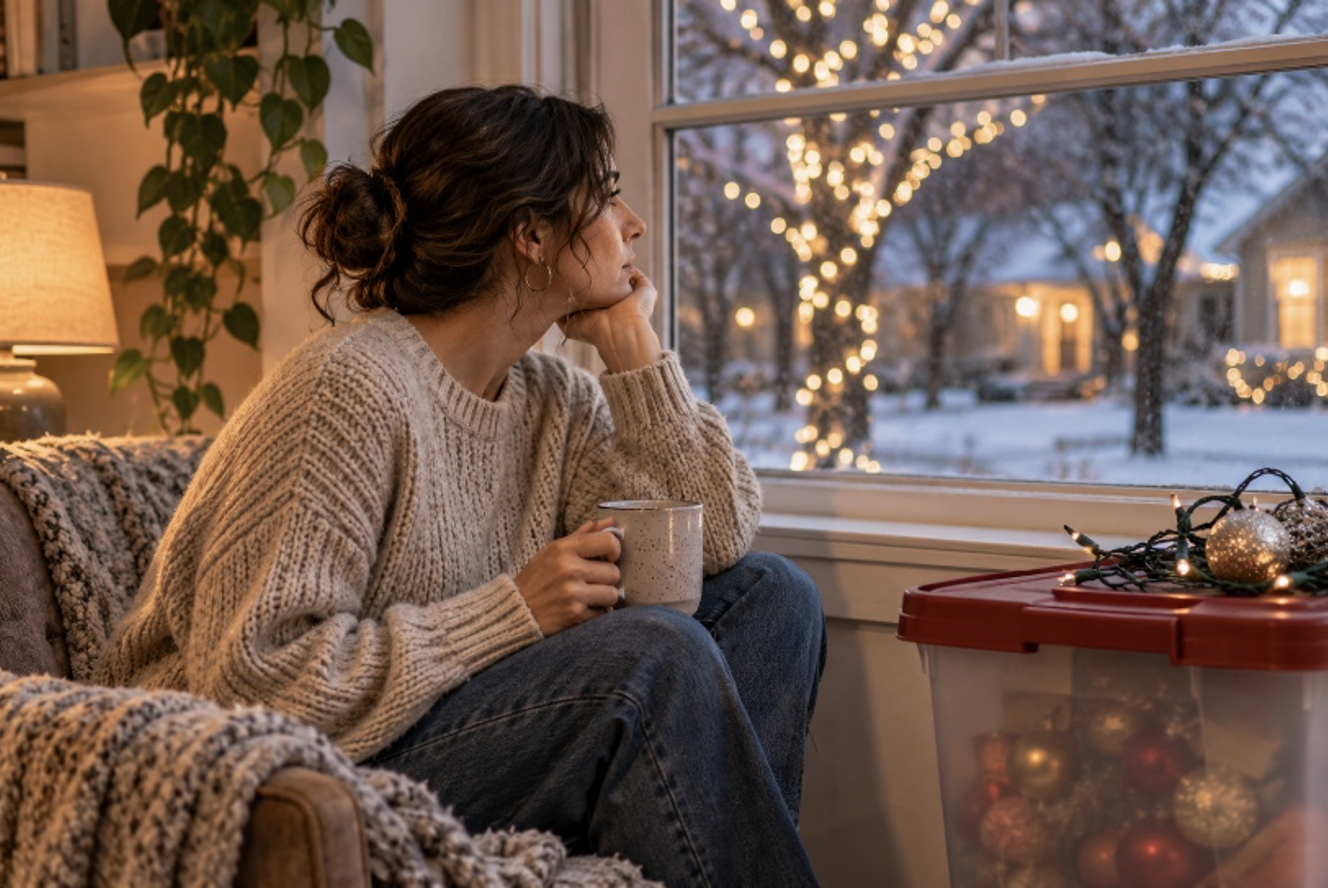
Somewhere along the way, the excitement you remember from childhood may have been replaced by a feeling of obligation. And perhaps there’s a little sadness in realizing that something you once loved just doesn’t feel the same anymore.
Missing the Holidays We Remember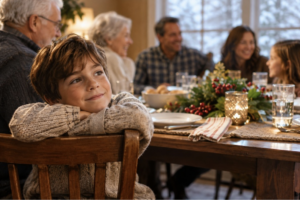
One of the interesting things about nostalgia is that we often remember how an experience made us feel more than the details of the experience itself.
When we think about childhood holidays, we may remember the anticipation or the comfort of being surrounded by family. What we don’t necessarily remember is the work that went into creating those experiences, because we weren’t the ones responsible for it.
As adults, we sometimes try to recreate the holidays we remember, hoping to capture some of that same excitement. But the people around the table have changed. The grandparents who once hosted gatherings may no longer be there, and our own children may be growing out of the traditions we worked so hard to establish.
Sometimes what we’re missing isn’t really the holiday itself. It’s a time in our lives that we can’t get back.
Of course, not everyone remembers the holidays fondly. For some people, childhood celebrations were stressful or filled with family conflict. Others never felt particularly connected to the traditions in the first place.
Yet regardless of our experiences, there’s still an expectation that we’re supposed to enjoy this time of year.
The Pressure to Enjoy the Holidays
There’s something unusual about the holiday season. We’re not just expected to participate; we’re expected to be happy about it.
Think about how often someone asks, “Are you excited for the holidays?” It’s usually meant as a friendly question, but there’s an assumption behind it that the answer should be yes.
When our feelings don’t match what we believe we’re supposed to experience, we sometimes begin questioning them. Why don’t I enjoy this anymore? Why does everyone else seem so excited?
Psychologically, the difference between how we actually feel and how we think we should feel can create its own emotional discomfort. We may feel guilty for not appreciating the season or find ourselves pretending to be more enthusiastic than we really are.
Ironically, the pressure to enjoy the holidays can make them even less enjoyable.
What If You Just Don’t Like the Holidays?
When someone says they dread the holidays, we often assume there’s an underlying reason. Maybe they’re struggling with depression or have difficult family relationships.
And sometimes that’s true.
But sometimes people simply don’t enjoy the holidays, even when the rest of their lives are going quite well.
You might have a wonderful family and genuinely enjoy spending time with them, but still find the expectations surrounding the holidays exhausting. What once felt special may now feel like an interruption to a life you’re otherwise perfectly happy with.
 We don’t question why someone dislikes a particular season or doesn’t enjoy celebrating their birthday. Yet admitting that you’re not looking forward to the holidays can make people wonder what’s wrong.
The reality is that our interests and priorities change as we get older. It makes sense that our feelings about holidays might change too.
And if you’re someone who quietly looks forward to January, you’re probably not as unusual as you think.
Making the Holidays Your Own
If you’ve reached a point where the holidays feel more like something to get through than something to enjoy, it may be worth reconsidering what you’re actually doing each year.
Sometimes we continue traditions simply because we’ve always done them. Perhaps you’ve hosted the same holiday gathering for years, even though you spend most of the day working and barely get to enjoy the people who come. At some point, it’s reasonable to ask whether the tradition still serves the purpose it once did.
It may also help to recognize that the holidays don’t have to recreate the experiences of your childhood. Those memories can still be meaningful without becoming the standard against which every future celebration is measured.
And there may be parts of the season you genuinely enjoy, even if you don’t particularly care for the holidays overall. You don’t have to embrace everything that comes with the season to appreciate an occasional moment.
Ultimately, the holidays are just one part of the year. They don’t have to define how happy or fulfilled we are.
You can have a happy, satisfying life and still be relieved when the holidays are over.