

In today’s world, we communicate more than ever—texts, emails, voice notes, Zoom meetings, and social media platforms shape how we connect. Despite this, many people experience a surprising level of discomfort when it comes to one of the most traditional forms of communication: the phone call.
You may notice yourself hesitating to answer, letting calls go to voicemail, or feeling a tightness in your chest the moment the phone rings. Given how accessible communication has become, this reaction can feel confusing. But phone call discomfort is common, and there are understandable psychological reasons behind it. This leads to an important question . . . . .
Why are phone calls so difficult for so many people?
The Challenge of Missing Non-Verbal Communication
Human beings depend heavily on non-verbal cues—facial expressions, posture, and body language—to interpret emotional tone and intention. These cues act as anchors in a conversation, helping us assess safety, connection, and meaning.
During a phone call, all of these signals disappear.
This absence can lead to:
- misinterpretation of tone
- increased cognitive effort
- concern about how one is being perceived
- heightened sensitivity to pauses or silence
For individuals who rely strongly on visual feedback to feel grounded and confident, the lack of non-verbal context makes phone conversations feel less predictable and more emotionally taxing.
The Intrusiveness and Immediacy of Phone Calls
Unlike a text or an email, a phone call demands our immediate attention. It interrupts whatever we are doing and expects us to be emotionally and mentally available in the moment.
This sense of urgency—not just the call itself—can trigger discomfort.
Additionally, calling someone else may evoke similar fears:
“Am I interrupting them?”
“Is this a bad time?”
“Will they feel annoyed?”
Phone calls remove the ability to choose the timing, and for many people, the lack of control can feel intrusive.
The Pressure to Respond Without Preparation
With written communication, there is time to pause, reflect, and prepare a thoughtful response. This allows individuals to regulate their emotions, organize their thoughts, and communicate clearly.
On a phone call, however, responses must be immediate.
There is little space to:
- process information
- consider wording
- regulate feelings
- step back if overwhelmed
For those who prefer thoughtful communication or who process information more slowly, this “in-the-moment” demand can create significant stress.
Some People Digest Written Information More Effectively
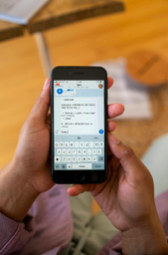 Processing style plays a major role. Many individuals understand written information more easily than spoken language. Written words can be reread and digested at one’s own pace; spoken communication requires constant, rapid auditory processing.
Because spoken words disappear as soon as they’re said, individuals who rely on visual learning may feel pressure to keep up. This contributes to the sense that phone calls are harder to follow, more draining, or even chaotic.
Phone Calls Increase Emotional Vulnerability
Phone calls ask us to show up as we are—immediately and without preparation. This can feel exposing. There is no opportunity to rehearse or emotionally prepare, no ability to edit or pause, and no way to soften our presence.
For people who experience anxiety, overstimulation, or who simply prefer more controlled communication, this vulnerability can be overwhelming. The spontaneity of a phone call heightens the sense of being unfiltered and emotionally “on the spot.”
How Does Phone Call Discomfort Develop?
Much like other communication patterns, discomfort around phone calls often begins subtly. Someone may avoid a call during a stressful week, notice that texting feels easier, or feel pressure after a negative phone interaction.
Over time, the contrast between the ease of written communication and the intensity of phone calls becomes more pronounced. As technology shifts our communication habits, the skills associated with spontaneous verbal conversation may feel under-practiced or foreign, further reinforcing avoidance.
This discomfort does not indicate poor social skills or a lack of interest in others. It reflects a combination of processing style, emotional regulation needs, and the amount of control a person feels during communication.
To Conclude
Communication preferences vary widely, and discomfort with phone calls is far more common than most people realize. The absence of non-verbal cues, the immediacy of response, the difficulty processing spoken language, and the increase in emotional vulnerability all contribute to a form of interaction that can feel disproportionately challenging.
Phone calls are not inherently negative, but—like many things in life—balance and flexibility matter. If texting or writing feels clearer and more comfortable, that preference deserves respect rather than judgment. Understanding your communication needs can help reduce guilt and support healthier, more authentic connection.
Let yourself choose the methods of communication that allow you to feel grounded, prepared, and genuinely engaged.