
Two women face each other, each holding a magnifying glass over a Help Wanted sign. One glass highlights Opportunity and a path forward, the other shows Possibility for failure, illustrating contrasting perspectives.

Understanding Low Self-Esteem — And What You Can Do to Improve It

Self-esteem plays a central role in how we see ourselves, relate to others, and move through the world. It influences our confidence, our ability to cope with challenges, and even the goals we pursue. When self-esteem is strong, we tend to approach life with a sense of capability and self-worth. But when it’s low, we may struggle with self-doubt, fear of failure, or the belief that we are somehow “not enough.”

In this article, we’ll explore what self-esteem is, where it comes from, how it impacts our lives, and practical steps you can take to start improving it.


 What Is Self-Esteem?

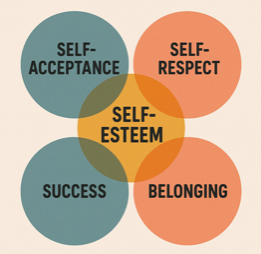
Self-esteem refers to the overall sense of value and respect you hold for yourself. It includes self-acceptance, self-respect, and the belief that you are worthy of care, success, and belonging.

Psychologist Morris Rosenberg, a pioneer in the study of self-esteem, defined it as a person’s overall evaluation of their worth or value. Simply put, it’s how much you like and accept yourself.


  • Healthy self-esteem means you generally feel good about who you are, even when facing setbacks.
  • Low self-esteem often involves harsh self-judgment, a belief that you’re not good enough, or a tendency to undervalue your strengths and achievements.

How Core Beliefs Shape Self-Esteem

Self-esteem is heavily influenced by what psychologists call core beliefs—deeply held assumptions we form about ourselves, others, and the world. These beliefs often develop early in life and become the mental “lens” through which we interpret experiences.

For example:

  • A positive core belief like “I am capable” can lead to confidence, persistence, and healthy risk-taking.
  • A negative core belief like “I’m a failure” can lead to avoidance, perfectionism, or giving up easily.

Over time, our behaviors reinforce these beliefs. If you believe you’re unworthy, you may avoid opportunities, which prevents success and reinforces the belief. It becomes a self-fulfilling cycle.

Self-Esteem Isn’t All-or-Nothing

It’s common to feel confident in one area of life while struggling in another. You might have high self-esteem in your career but feel insecure in social situations or relationships.

This is because self-esteem can be context-specific. Rather than seeing self-esteem as a single trait, it may be more helpful to consider how it fluctuates across different roles, environments, and relationships.

Where Low Self-Esteem Comes From

Self-esteem develops over time and is shaped by a wide range of experiences. While everyone’s story is unique, several common influences can contribute to low self-esteem:

1. Early Childhood Experiences

Children absorb messages from caregivers, teachers, and peers. Repeated criticism, emotional neglect, or rejection can lead a child to internalize the belief that they are flawed or not good enough.

2. Cultural and Societal Standards

Society often places value on specific traits — appearance, wealth, gender roles, academic success — and those who don’t meet these standards may feel inadequate, even if they are capable and worthy in many other ways.

3. Social Exclusion or Trauma

Experiences such as bullying, racism, abuse, or exclusion can create long-lasting emotional wounds. These events often reinforce harmful beliefs like “I don’t belong” or “I’m not safe being myself.”

Coping Through Compensation

In response to low self-esteem, many people unconsciously develop compensatory strategies in an effort to gain approval or prove their worth.

These might include:

  • Overachieving (e.g., believing success will finally make you feel worthy)
  • Caretaking (e.g., always putting others first to gain acceptance)
  • People-pleasing (e.g., avoiding conflict at all costs to stay liked)

While these behaviors may be helpful short-term, they often leave individuals feeling burned out or unfulfilled because they don’t address the root belief: “I’m not good enough as I am.”

How to Improve Self-Esteem

Improving self-esteem is a gradual process, but it is absolutely possible. It requires curiosity, honesty, and a willingness to challenge long-held beliefs. Here are some practical starting points:

1. Identify Core Beliefs

Ask yourself:

  • What do I believe about myself?
  • Where did this belief come from?
  • Is it actually true — or just familiar?

Understanding the origin of your self-doubt helps you gain insight and begin to shift your internal narrative.

2. Challenge Negative Thoughts

 Once you’ve identified self-critical beliefs, practice evaluating them. Are they based on facts, or on assumptions? What evidence supports a more balanced or compassionate perspective?


This process — common in cognitive-behavioral therapy — helps disrupt automatic negative thinking patterns.

3. Cultivate Self-Compassion

Self-compassion involves treating yourself with the same kindness and understanding you would offer a friend. Rather than harsh judgment, it’s about offering encouragement during moments of struggle.

Research shows that self-compassion is linked to greater emotional resilience, healthier relationships, and increased motivation.

4. Move Away from Conditional Worth

True self-esteem is based on recognizing your value as a human being — not just your accomplishments, appearance, or ability to meet others’ needs. The more you internalize the idea that you are worthy simply because you exist, the more sustainable your confidence becomes.


Final Thoughts

Low self-esteem can feel like a quiet but persistent voice in the background of your life, telling you that you’re not enough. But it’s not permanent — and it’s not a reflection of your true worth.

By becoming aware of your core beliefs, challenging unhelpful thought patterns, and practicing self-compassion, you can start to build a healthier, more grounded sense of self.

Support from a therapist or counselor can also provide a safe space to explore these patterns and develop personalized tools for growth. You deserve to feel confident, worthy, and empowered — not because you’ve earned it, but because you’ve always been enough.

Scroll to Top